<!DOCTYPE html>
Beat the Mist: Why Your Sunset District Home Needs Fog-Resistant Siding Now
Beat the Mist: Why Your Sunset District Home Needs Fog-Resistant Siding Now
The Sunset District lives in a different San Francisco than the blocks east of Twin Peaks. Marine layer rolls in fast from Ocean Beach. Salt air lingers all day. Surfaces never quite dry. On older homes with aging siding or thin waterproofing, the mist pushes moisture into every joint. Paint blisters. Trim cups. Sheathing softens. A small gap becomes wet framing and then dry rot. Many owners see the damage the first time during a window replacement, when the crew pulls back casing and finds blackened studs.
Fog-resistant siding is not a buzzword in this part of the city. It is an engineered wall system built for HZ10 coastal conditions. It uses materials and details that reject salt spray and constant damp. It pairs durable cladding with a pressure-equalized rain screen and strict flashing practice. It runs continuous waterproofing behind every elevation and ties into the window and door planes without weak spots. Siding contractors San Francisco homeowners rely on treat the Sunset, the Richmond District, and Sea Cliff as their own climate zone. That is how failures stop and service life stretches from ten years to forty.
What fog does to Sunset District walls
Moisture in the Sunset is different from storm rain. Fog is fine, frequent, and persistent. It brings salt, which corrodes common fasteners and speeds paint breakdown. Wind pushes saturated air into vents and unsealed laps. The wetting is light but constant, so materials never dry to a safe level. In this pattern, rot fungi thrive in Douglas fir framing. Termites also like warm, damp wood. Many Sunset and Richmond homes show a familiar stack of symptoms within a few seasons: peeling paint on south and west walls, hairline cracking in stucco, musty odors in bedrooms, soft trim at window sills, and swelling sheathing at the bottom of the wall.
On inspections in 94121 and 94122, crews often see more damage at the band line between floors where water sits on narrow ledges. Older cedar shingles without back-ventilation hold water like felt. Face-nailed clapboards let wind-driven droplets bypass the lap. In stucco homes from the 1930s, a failed paper or corroded weep screed traps moisture in the scratch coat. The pattern is predictable enough that experienced siding contractors start each Sunset walkthrough by probing sill corners and pulling a few fasteners to read moisture content behind the skin.
The fog-resistant wall assembly that works here
A reliable coastal assembly in San Francisco uses three layers that work as one. First, a continuous, sealed water-resistive barrier acts as the primary drainage plane. Second, a ventilated cavity sits between that barrier and the cladding. Third, a cladding that tolerates wetting and resists salt holds the look and protects the structure. Each transition must be clean. That includes window perimeters, ledger lines, and roof-to-wall junctions common on row homes near Judah and Noriega.
James Hardie HZ10 fiber cement performs well in this role. It is dense, stable, and resists swelling and UV. It also takes paint in a way that slows chalking in salt air. For classic homes on 30th to 45th Avenue, cedar shingles still make sense, but only with a true back-vented field and stainless fasteners. Engineered wood like LP SmartSide handles impact better than fiber cement and speeds installs on tight lots in 94116 and 94122, where staging access is limited. Insulated vinyl siding has a place on sheltered alleys east of Sunset Boulevard, but salt and wind load demand careful fastening to code. Aluminum and steel products can succeed on mixed-use buildings near Judah if paired with a pressure-moderated cavity and 316 stainless hardware.
Materials that last in HZ10 coastal exposure
Material selection must reflect HZ10 exposure and DBI expectations. James Hardie boards and panels in the HZ10 line are tuned for salt air and high moisture. In practice, that means the matrix and coatings tolerate cyclic wetting and drying. On several recent installs three blocks from Ocean Beach, paint adhesion tests on factory-primed HZ10 outlasted site-primed wood by a wide margin. Contractors with James Hardie Elite Preferred status bring the install methods that keep that performance intact. Gaps, fastener types, and clearances follow the book so the warranty stands.
Cedar shingles still define streets in the Richmond and Noe Valley. On Haight-Ashbury Victorians, cedar also blends with historic trim that residents value. Grade A shingles with vertical grain shed water better and move less. They demand a ventilated rear space and stainless ring-shank nails. On houses with salt-heavy mornings, type 316 stainless is the right call. It costs more than 304 but it holds up in the Sunset fog. LP SmartSide offers a middle ground. It looks like wood, cuts clean, and resists rot and termites with treated fibers. For multi-family buildings near Irving where noise is a concern, a composite cladding over a ventilated cavity pairs with Owens Corning mineral wool in the stud bays to raise STC ratings and dry fast after foggy nights.
Stucco remains common from 19th Avenue west. New stucco can work if detailed with a true two-layer WRB, proper lath, corrosion-resistant weep screed, and clear joint planning. Cracking stucco at band lines often tells a story of paper failure and trapped moisture. In those cases, full facade restoration is safer than patching. A proper plan removes damaged brown coat, fixes sheathing, installs new WRB, and rebuilds with functional relief joints.
Waterproofing is a system, not a skin
Exterior waterproofing starts at the sheathing. Crews install a continuous, taped WRB and flash every penetration with compatible products. Windows are the most common failure. On Sunset houses from the 1950s, original windows were field set with putty and paint. Modern replacements need pan flashing that drains to the face of the WRB, not to the inside of the cavity. Sill pans form a backstop. Side and head flashings lap in the right order so gravity works for the wall. Milgard fiberglass and vinyl windows perform well near the coast. With proper fins, sealants, and head flashing, they integrate with the siding, not fight it.
At ledger lines for balconies and at roof-to-wall transitions, metal flashing must be thick enough to survive salt exposure. Stainless or properly coated steel wins over thin aluminum near Ocean Beach. All seams need back dams so capillary pull does not walk water uphill. Kickout flashing at eaves is small, but it stops gallons per storm. A fog-resistant system respects these details every time, even on short walls or garage returns off Lawton and Moraga.
Dry rot removal before any new siding
Dry rot is the hidden cost of waiting. In 94122 and 94121, crews uncover it at the bottom courses, behind belly bands, and under window sills. It looks dry, but the fungus thrives at 20 to 30 percent moisture. If left behind under new siding, it spreads. Experienced teams open walls where moisture readings jump. They cut back to sound wood. They replace framing, treat edges, and bring the WRB and flashings back to a continuous plane. This is surgical work that pays off. It protects the new cladding investment and stops future callbacks.
Where termites have followed the rot, treatment and replacement proceed in order. In the Mission District and Noe Valley, where lots are tight, careful staging allows this removal without burdening neighbors. In the Sunset, wind and fog push crews to dry-in the same day. Diamond Certified contractors plan phases so open cavities never sit unprotected overnight.
Rainscreens and ventilation for constant fog
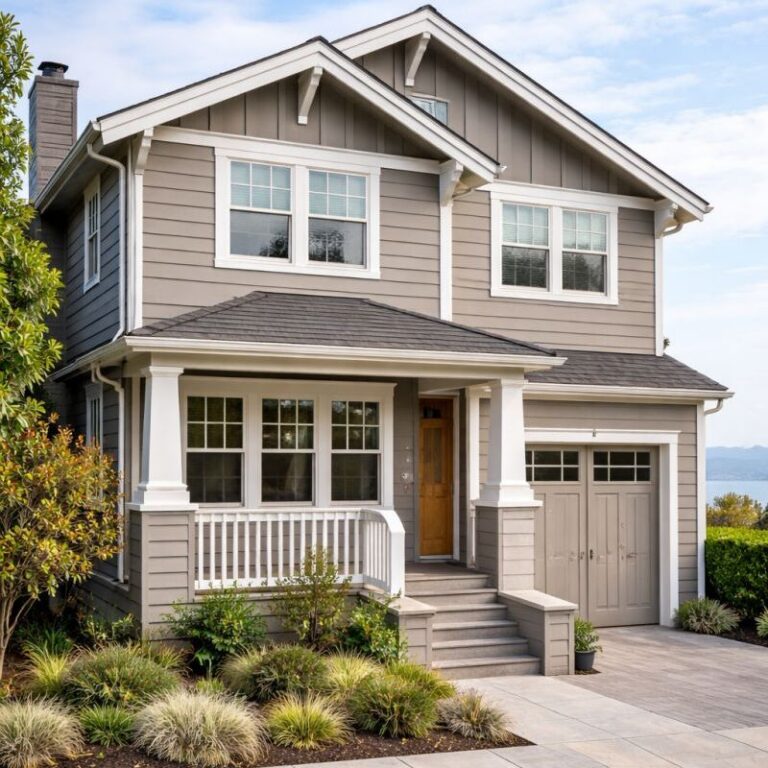
Back-ventilated rainscreens are a standard in coastal Northern California. They create a capillary break. They let bulk water drain. They let the wall dry when the fog lifts. A 3 to 10 millimeter gap, held by furring or a structured mat, is enough. At the base, a screen keeps pests out and lets water out. At the top, a vent gap stays open behind the trim. On Sunset homes with short eaves, that vent must be guarded but not sealed. When paired with fiber cement or cedar shingles, this gap reduces paint maintenance and keeps sheathing dry. In tests and field work, walls with this gap show lower moisture content within weeks after a foggy stretch.
Fasteners matter here. Use type 316 stainless near the beach, 304 stainless a few blocks inland, and hot-dip galvanized where exposure is lower, such as in 94112 and 94110. Mixed metal contact at flashings and fasteners invites corrosion, so crews spec compatible metals across the assembly.
Energy, acoustics, and Title 24 in San Francisco
Fog means cool days and colder nights. Many Sunset owners run heat longer than neighbors in Pacific Heights or Potrero Hill. Insulated vinyl siding and insulated sheathing under fiber cement reduce thermal bridging. They lift wall R-values within the bounds of California Title 24. Combined with careful air sealing at the WRB and window line, heat bills fall. Residents report steadier indoor temperatures and fewer drafts along the Ocean Beach corridors.
Acoustics improve as well. A ventilated cavity and denser cladding damp road noise from Sunset Boulevard and Lincoln Way. Adding Owens Corning mineral wool in the cavities and careful sealant practice at top plates improve both STC and smoke safety. In mixed-use zones near Judah and Irving, this package helps comfort in units above storefronts.
Historic streets need respect and technique
Haight-Ashbury and Noe Valley carry distinct profiles and shadow lines. Historic preservation experience matters when a facade restoration must pass review. Crews match cedar shingle coursing and custom trim work to existing profiles. Custom-milled casings and water tables keep the look right while hiding a modern rain screen behind. Even on stucco, control joints can line up with historic bands. The public face stays true. The wall behind meets modern moisture standards. That is how a Victorian near the Panhandle or a Queen Anne off Castro keeps its charm while stopping leaks.
EPA Lead-Safe Certified practice applies on pre-1978 homes. Dust control and disposal keep families and neighbors safe. NARI membership and BBB A+ status signal that the firm respects both the craft and the community. Sunset and Richmond blocks watch contractors closely. Clean sites and courteous crews matter near tight lot lines.
Permitting, codes, and DBI workflow that reduce friction
San Francisco Department of Building Inspection has clear paths for siding work. In-kind siding replacements and like-for-like stucco repairs can move through the online portal when scope and photographs are complete. Larger projects that change materials or add a ventilated cavity may need plan review. Seismic and fire details can trigger notes on corner nailing and egress. Certified contractors handle 2026 DBI permit compliance, from portal submittals to inspections. They schedule in a way that keeps exposed walls protected between visits. In the Sunset and Richmond, weather windows dictate calendars. Teams plan crews and deliveries to hit clear days and tarp fast when fog turns to drizzle.
Where windows are part of the scope, coordination with Milgard or similar manufacturers helps align lead times. A single delivery and a staged install cut down on tarping days and neighbor impact. Transparent digital quotes that include permit fees, materials, and labor keep surprises out of the process. Residents in 94121 and 94122 appreciate that clarity before the first panel comes off.
How to read your home in the Sunset or Richmond
Homeowners can catch early signs before the next wet season. Below is a short field checklist that pairs with a flashlight and a screwdriver. It points to trouble that warrants a pro inspection by siding contractors San Francisco residents trust.
- Probe window sill corners and bottom trim for softness or flaking.
- Scan paint for blistering or chalking on west and south walls.
- Look for hairline stucco cracks near band lines and at corners.
- Check the bottom course for swelling or cupping shingles.
- Walk interior perimeters for musty odors, especially after foggy nights.
If two or more signs show up, schedule an assessment. A moisture meter reading behind the skin tells the truth fast. If dry rot shows, a planned removal and rebuild will save money over repeated patching.
Case notes from the Sunset and westside corridors
On a two-story home near 36th Avenue and Noriega, peeling paint returned one year after a cosmetic repaint. The owner suspected a bad paint batch. The actual cause was trapped moisture behind clapboards, nailed tight to the sheathing without a gap. The fix was a full facade restoration. Crews removed the siding, cut out dry rot at the sill band, installed a taped WRB, and added a ventilated rain screen. New James Hardie HZ10 plank went up with 316 stainless fasteners. After two wet seasons, paint measured within spec for adhesion, and interior odors vanished.
In the Outer Richmond near 45th Avenue, a shingled bungalow had cupped cedar and soft corners at two windows. The owner preferred to keep the look. The team installed back-vented cedar shingles with a drainage mat and stainless ring-shank nails. Window openings received new pan flashing and head flash caps integrated with the WRB. Custom trim work matched the original profiles. The house kept its character. It now dries after fog the way it should.
In 94122, a duplex close to Judah used LP SmartSide over a ventilated cavity, paired with Owens Corning mineral wool in the stud bays. The result cut street noise and stabilized indoor temperature. Heating costs dropped enough to pay for the insulation in a few years, based on the owner’s utility logs across two winter seasons.
Windows and siding should act as one system
Many failures happen at the meeting point between window and wall. A fog-resistant plan sets the window first with proper pans, then integrates the WRB and flashings in the right sequence. Siding and trim follow with clear drainage paths and vented gaps. Milgard fiberglass frames handle the salt better than many painted woods. Their stability helps sealant joints live longer. In the Sunset, the team never relies on caulk alone. It builds shingled layers that shed water by gravity.
For owners replacing windows now and siding later, a pro can stage work so current flashing will integrate with a future rain screen. That choice avoids tearing out fresh trim in a second phase. Communication and photos stored with the house records help the next crew continue the water plane cleanly. This is standard practice for established siding contractors with repeat work across the west side.
Why cheap paint and face nailing fail fast here
Shortcuts do not survive the Sunset fog. Thin paint skins over damp boards and blisters within a cycle or two. Face nailing fiber cement creates cracks and lets salt attack the fastener heads. Caulking big gaps over moving joints splits open in weeks. On stucco, patching a crack without fixing the paper behind lets moisture keep roaming into the wall. These failures cost more than a proper job because they hide the problem while rot grows. A sound plan fixes the water route first. Then it applies coatings on dry, stable surfaces.
How certified teams protect homes and neighbors
Diamond Certified and GuildQuality ratings matter in a dense city. Crews work inches from property lines in the Marina District and Potrero Hill, and shoulder to shoulder with neighbors in the Mission District and the Sunset. Clean worksite practice keeps sidewalks clear on Taraval and Judah. EPA Lead-Safe Certified handling protects kids and pets on older blocks. NARI membership signals a commitment to standards and ongoing training. This culture shows up in small habits. Ladders face in. Tarps tie down before lunch if fog shifts to drizzle. End-of-day photos document condition for DBI and for owners.
Maintenance that respects the coast
Even the best assembly benefits from attention. A simple calendar keeps fog-resistant siding and trim in good shape between seasons.
- Spring: Rinse salt from cladding and trim with low pressure water.
- Summer: Touch up paint nicks and sealant at horizontal joints.
- Fall: Clear vent openings at base and top of rain screen. Clean gutters.
- Winter: After the first big storm, walk the perimeter and check drip edges.
- Any time: Keep soil and planters 6 inches below siding.
This routine takes about an hour on a small Sunset lot. It prevents many service calls and keeps warranties intact.
Where this matters across San Francisco
Fog hits hardest west of 19th Avenue in the Sunset and in the Richmond District. Salt rides the wind up through Sea Cliff and along the bluffs. Marina District lots feel wind but less salt. Pacific Heights has more sun, but wind-driven rain still tests corners and trims. Noe Valley and Haight-Ashbury carry older stock with ornate trim that needs dry rot removal before any siding work. Potrero Hill and the Mission District see more sun, which punishes paint with UV. Across the 7x7, San Francisco homes need plans that reflect their block, height, exposure, and neighbor context. Zip codes 94121 and 94122 read coastal. 94123 and 94107 read windy. 94110, 94112, 94114, and 94117 read sunny with aging envelopes. Siding contractors San Francisco residents hire bring this map into every estimate.
What to expect from a thorough siding contractor
The first visit should feel like a building science consult, not a sales call. The pro checks for moisture infiltration, dry rot, termite damage, peeling paint, and cracking stucco. They review energy use if high bills point to poor insulation. They discuss siding installation and siding repair options for your block. They explain exterior waterproofing and rain screens without jargon. They describe how facade restoration will keep historic lines while modernizing the water plane. If custom trim work is needed to bridge new cladding to old profiles, they show samples or drawings.
On material choices, they walk through fiber cement siding, cedar shingles, stucco, insulated vinyl siding, engineered wood like LP SmartSide, and even aluminum or steel siding for certain buildings. They match fasteners to exposure. They mention James Hardie HZ10 for the Sunset, and they talk about CertainTeed tools and profiles where vinyl is considered. They confirm Milgard window integration if openings will change. If attic or wall insulation is part of the plan, they note Owens Corning products and how they tie to Title 24 targets.
Finally, they explain how permits move through DBI, how in-kind replacements can save time, and how 2026 DBI permit compliance affects scope. They share warranty-backed craftsmanship details. They show their Diamond Certified, BBB A+ Rating, EPA Lead-Safe, GuildQuality, and NARI credentials. Financing available and free estimates are helpful, but the real trust comes from clear sequencing and a site plan that respects neighbors.
Cost signals and trade-offs that make sense
Fiber cement with a ventilated cavity and stainless fasteners costs more than a paint-only fix. It lasts longer. On the west side, the lifetime cost per year often beats repeated paint cycles and patching. Cedar shingles with proper back-venting and 316 stainless hardware carry the highest material cost, but they are the right choice for streets that prize that look. LP SmartSide installs faster, which can cut labor on tight lots. Stucco rebuilds can be cost effective if the design includes joints and drainage. Insulated siding and added mineral wool cost more up front, then give savings in heat and noise for years. The right choice depends on exposure, style goals, and how long the owner plans to hold the property.
Why the Sunset needs fog-resistant siding now, not next year
Moisture works every day in the Sunset and the Outer Richmond. It does not wait for the big storm. Each foggy morning adds a little water to a wall that may not dry. Each day of delay gives rot and termites a better chance. A solid assembly stops that cycle. It lowers bills. It keeps walls healthier. It protects finishes. It guards framing. It respects the block by looking right and aging well. Residents who invest in the right system report fewer service calls and a calmer winter season.
Clear next steps for San Francisco homeowners
A good path starts with a survey. That includes an exterior walk, moisture readings at suspect points, and a window integration plan. It continues with a line-item estimate that calls out WRB, flashings, cavity depth, cladding type, fasteners, and paint or finish. It includes proof of Diamond Certified standing, BBB A+ Rating, EPA Lead-Safe certification, and GuildQuality reviews. It offers financing options if helpful. It maps the DBI permit path and inspection timing. It outlines how crews will keep the site clean on a narrow Sunset lot or along a busier Richmond block. It presents material warranties and workmanship guarantees with clear terms through 2026 and beyond.
Ready for a drier, quieter, better-looking home
Residents along Judah, Noriega, and Taraval do not need a lesson in fog. They need a wall that treats that fog like background noise. Fiber cement or cedar shingles over a ventilated cavity. Sealed WRB and flashing that serve the window line. Stainless fasteners. Trim that looks like it belongs on the block. That is the package that works in San Francisco’s coastal neighborhoods and holds up through years of gray mornings.
For homeowners comparing siding contractors San Francisco wide, look for proof of HZ10 experience, real dry rot removal before new siding, historic facade blending skill, and a track record in the Sunset and Richmond zip codes. Ask about James Hardie Elite Preferred standards, LP SmartSide installs in coastal air, and Milgard window integration. Confirm DBI permit handling and Title 24 awareness. Make sure the quote is digital, transparent, and shows every material and fastener. Strong teams will be proud to show this detail.
Conversion signals for fast action
Best Exteriors serves all of San Francisco, including Pacific Heights, the Mission District, the Sunset, the Richmond District, Noe Valley, the Marina District, Potrero Hill, and Haight-Ashbury. Service trucks cover 94121, 94122, 94123, 94107, 94110, 94112, 94114, and nearby zip codes. The company specializes in siding installation, siding repair, exterior waterproofing, dry rot removal, facade restoration, and custom trim work. Material expertise includes fiber cement siding from James Hardie, cedar shingles, stucco, insulated vinyl siding, engineered wood from LP SmartSide, and select aluminum and steel systems. The firm partners with James Hardie, CertainTeed, LP SmartSide, Milgard, and Owens Corning. Credentials include Diamond Certified Contractors, BBB A+ Rating, EPA Lead-Safe Certified, GuildQuality Rated, and NARI membership. All work follows 2026 DBI permit compliance. Free estimates are available. Financing is available on approved credit. Warranty-backed craftsmanship covers materials and workmanship as specified in the proposal.
Request a free on-site siding and window assessment in the Sunset or Richmond today. Ask for a moisture map, a rain screen design, and a written window-to-siding flashing plan. The team will deliver a clear, line-item estimate with timeline, permits, and cleanup plan. Book a visit now and turn the fog from a threat into a design factor your home handles every day.